Complete Guide to Rods
Leading Angling Rod Companies: Quality, Performance, and Cost-Effectiveness
Choosing the correct fishing rod is vital for anglers of all skill levels. The manufacturer is instrumental in establishing quality, functionality, and worth. Established names like Ugly Stik and Shimano offer reliability for beginners, while experienced anglers may pursue sophisticated choices from premium brands. Comprehending the subtleties of each brand can improve the angling adventure. What elements should one consider when selecting a rod?
Important Aspects to Search For in Fishing Rods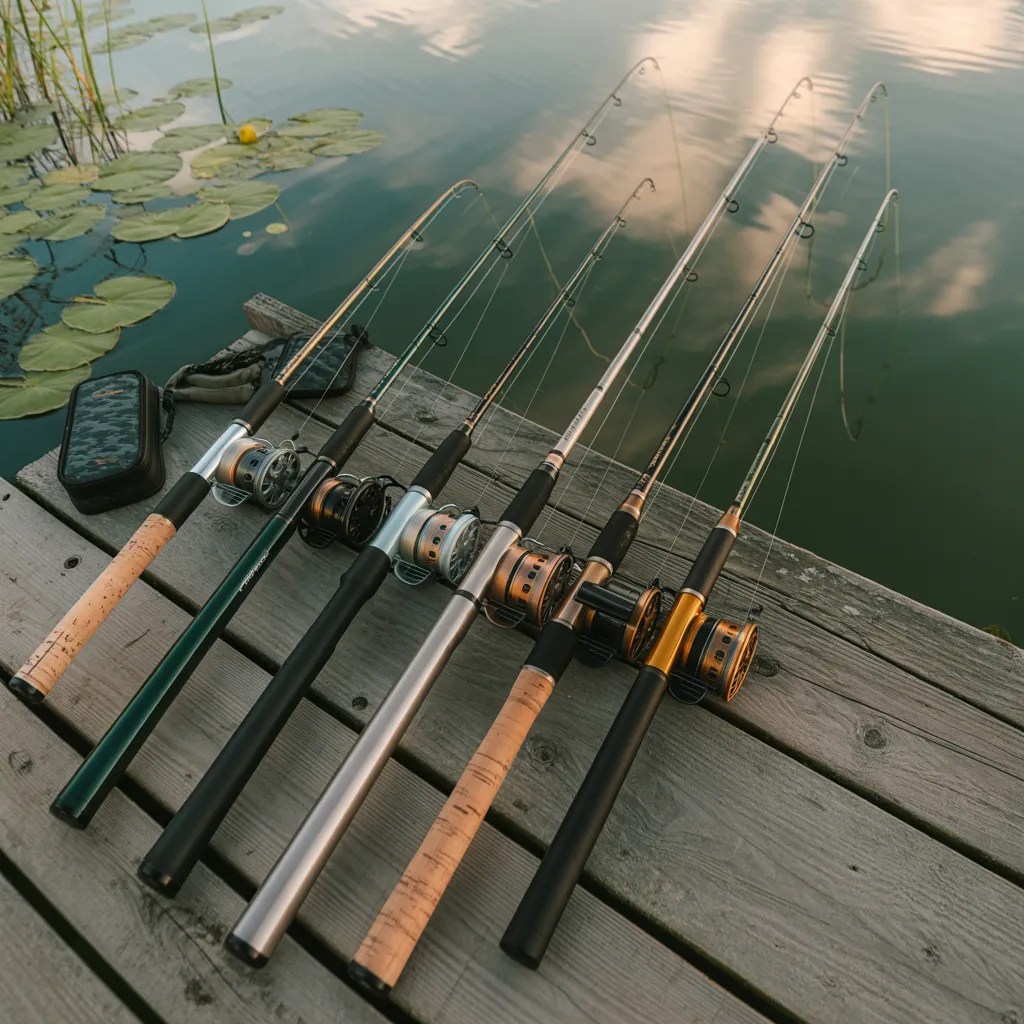
When selecting a fishing rod, fishing enthusiasts should consider several important aspects that can significantly affect their fishing venture. The rod's composition is important; carbon material delivers lightweight design and sensitivity, while fiberglass provides durability and fortitude. Length is a further important aspect, as longer fishing rods can cast farther, while shorter rods offer superior control and exactness.
Action, which refers to the rod's responsiveness, influences how it responds to fish strikes. Fast action rods bend near the tip, delivering quick response, while slow action rods flex along the entire length, providing a more flexible feel. Additionally, the power level indicates the rod's strength to accommodate different fish sizes, with refer to this page heavier rods built for larger species.
Ultimately, the handle and reel position should be pleasant, as they directly influence the angler's ability to control the rod while fishing. By thoroughly assessing these elements, anglers can pick a rod suited for their individual angling requirements.
Why Opting for the Right Brand Matters for Your Fishing Experience
How crucial is the choice of manufacturer when dealing with fishing rods? Choosing the proper manufacturer can markedly impact a fisher's total experience, influencing results, durability, and comfort. Established brands often allocate resources in research and development, producing rods that offer high-grade materials and state-of-the-art technology. This can strengthen sensitivity and strength, allowing anglers to detect faint bites and control substantial fish with success.
In addition, recognized brands consistently offer enhanced customer service and warranty coverage, making sure that users have options in case of issues or problems. A established company can also establish trust, with anglers feeling confident that their equipment will perform reliably under various circumstances.
In contrast, obscure manufacturers might compromise on quality, leading to frustrations that can detract from the enjoyment of fishing. In the end, choosing a trusted brand can transform a fishing trip from a mere outing into a memorable experience brimming with accomplishment.
Premier Angling Rod Brands for Beginners
Determining the right casting rod brand is essential for starting anglers looking to enhance their fishing journey. Many brands excel for their quality, affordability, and intuitive designs. Ugly Stik, known for its durability and broad capability, provides rods that can resist assorted fishing conditions, making it apt for novices. Shimano presents slim options with striking sensitivity, supporting beginners build their techniques effectively. Abu Garcia is one more excellent choice, displaying economical models that marry performance and ease of use. Additionally, Okuma rods are lauded for their comfort and consistency, serving those just starting out. Furthermore, Penn delivers a range of options that pair quality and excellence, confirming beginners have solid gear. By selecting any of these brands, novice anglers can forge confidence and improve their fishing experience as they become proficient.
Premier Fishing Rod Manufacturers for Advanced Fishermen
Expert fishermen regularly pursue fishing rod brands that prioritize performance-driven innovations and the incorporation of premium materials. These brands fulfill the specific requirements of seasoned anglers, elevating their comprehensive fishing experience. Understanding the features that differentiate these rods can greatly affect both technique and success on the water.
Performance-Driven Innovations
Regarding angling rods, only a limited number of brands stand out due to their performance-driven innovations, built for seasoned anglers. These brands target advancing casting accuracy, sensitive feedback, and overall responsiveness, allowing expert anglers to maximize their craft. Innovations including ergonomic grips, advanced blank designs, and specialized rod guides improve handling and cut down on fatigue during long fishing sessions. Furthermore, certain brands use cutting-edge technology, such as digital testing methods, to guarantee maximum performance in various conditions. These developments not only elevate the angling experience but also empower anglers to target specific species with precision and accuracy. Consequently, skilled fishermen increasingly turn to these brands to boost their techniques and get better outcomes while on the water.
Premium Components Choice
Leading fishing rod brands prioritize high-quality components to improve performance and durability for experienced fishermen. High-modulus graphite, for example, offers a exceptional strength-to-weight balance, enabling for sensitive and lightweight rods. Manufacturers often integrate advanced composite materials, such as fiberglass blends, to enhance resilience and flexibility under heavy loads. Furthermore, premium parts like stainless steel guides and high-grade cork handles contribute to overall rod longevity and user comfort. Some manufacturers employ exclusive resin formulations and protective coatings to further protect against wear and environmental damage. By selecting these high-performance materials, top brands ensure that seasoned fishermen enjoy maximum casting distance, accuracy, and control, ultimately elevating their angling experience. This commitment to material excellence sets apart premium rods in a challenging marketplace.
Budget vs. Premium Fishing Rods: Important Points to Keep in Mind
How can someone determine the decisions between economical and premium fishing rods? Fishers often find themselves balancing performance against price. Budget rods typically offer adequate functionality for beginners or recreational fishers, delivering fundamental features without unnecessary investment. These rods are generally bulkier and may miss sensitivity, but they work well for simple fishing tasks.
In comparison, premium rods are built from cutting-edge materials and designed for enhanced sensitivity and responsiveness. They are more lightweight, frequently enhancing the general fishing experience. The expenditure in a premium rod often pays off for serious anglers who prioritize performance and durability.
Ultimately, the decision depends on personal needs and fishing style. Budget rods are suitable for those starting out in the sport or fishing occasionally, while premium rods serve enthusiasts seeking performance and durability. Each category has its advantages, making it crucial for fishermen to evaluate their individual needs before making a decision.
Finding Your Ideal Fishing Rod: What to Think About?
When picking a angling rod, multiple vital factors are at play. Materials found in rods profoundly affect resilience and sensitivity, while power ratings and action determine the rod's responsiveness and power. Recognizing these qualities is essential for fishermen seeking a custom angling experience.
Rod Material Classifications
Picking the ideal fishing rod material can profoundly shape an angler's expedition on the water. The most frequent materials are fiberglass and graphite. Fiberglass rods are prized for their toughness and adaptability, making them fitting for amateur fishermen and changing water environments. They can be weightier but provide a flexible action. Meanwhile, graphite rods are less hefty and furnish acute sensitivity and responsiveness, drawing to seasoned anglers wanting exacting feedback. Various rods integrate both materials, evening the scales the strengths of each. Furthermore, composite materials are climbing in favor for their one-of-a-kind features, affording a amalgamation of solidity and mass. At the end of the day, the determination of material should sync with an angler's proficiency, technique, and fish target for excellent outcomes.
Action and Power Metrics
Knowing rod specs and strength grades is essential for fishermen looking to find their ideal fishing rod. Action indicates how much a rod flexes when load is imposed, divided into slow, medium, and fast. A slow action rod bends more toward the handle, supplying a gentler feel, suited for finesse techniques. In contrast, a fast action rod flexes near the tip, giving faster sensitivity and reaction for powerful hook sets.
Power ratings specify a rod's strength, moving from ultralight to heavy. Going with the right power depends on the type of fish targeted and the fishing conditions. By reflecting on both action and power ratings, anglers can opt for a rod that elevates their performance and corresponds with their method, ensuring a more productive outing.
Typical Queries Customers Inquire
What Materials Are Fishing Rods Typically Made From?
Fishing rods are normally made with substances including fiberglass, graphite, and carbon fiber. These substances present different amounts of strength, sensitivity, and flexibility, enabling anglers to opt for rods customized to distinct fishing approaches and environmental factors.
How Regularly Should I Replace My Fishing Rod?
Fishing rods should typically be replaced every 3 to 5 years, depending on use and wear. Frequent inspection for damage, performance decline, or shifts in fishing style may also necessitate earlier replacement for best results.
Is It Feasible to Apply a Single Rod for Diverse Fishing Styles?
Yes, a flexible rod can be applied for different fishing styles, assuming it satisfies the needed specifications for each technique. Opting for a medium-action rod typically handles different methods, boosting adaptability for multiple fishing scenarios.
What Is the Typical Lifespan of a Fishing Pole?
The typical life expectancy of a fishing rod typically spans five to ten years, depending on materials, usage, and maintenance. Proper maintenance can extend its life, ensuring peak performance across different fishing conditions and styles.
How Do I Properly Maintain My Fishing Rod?
To properly preserve a fishing rod, one should wash it after each use, keep it in a cool, dry place, inspect guides for damage, and periodically monitor the reel and line for wear.